UK gaming-machine removal rule takes effect on 29 July

UK non-remote gambling operators will face a new duty from 29 July 2026 to remove certain non-compliant gaming machines immediately when notified by the Gamblin
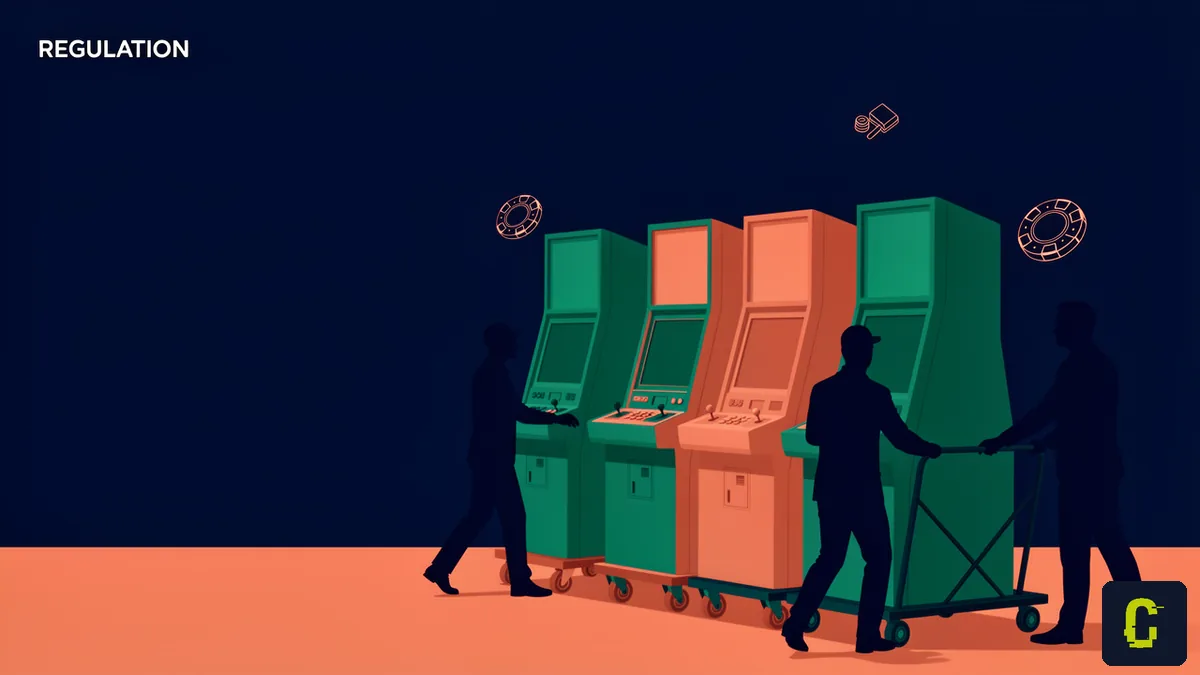
UK non-remote gambling operators will face a new requirement from 29 July 2026: when the Gambling Commission gives written notice that a gaming machine does not meet specified licensing or technical requirements, the operator must remove it from customer use immediately.
The rule is aimed at getting non-compliant machines out of venues more quickly. It applies to non-remote gambling businesses, which includes land-based settings rather than online casino sites.
What is changing?
The Gambling Commission says operators already have a responsibility under the Gambling Act 2005 to ensure machines available to consumers are compliant. The new licence condition adds a direct removal duty once the regulator has notified an operator in writing.
According to the Commission, the trigger covers cases where the manufacture, supply, installation, adaptation, maintenance or repair of a machine was not carried out in reliance on a gaming machine technical operating licence, or did not comply with other standards.
In simple terms, a venue cannot treat a regulatory notification as an item for the next maintenance round. The affected machine must be taken out of use straight away.
Why the change matters
Gaming machines are physical consumer products in regulated premises, but the underlying risk is familiar across gambling: controls need to work at the point where a customer can actually use the product.
The Commission says the measure is intended to streamline the process for removing non-compliant machines and benefit both consumers and operators. A clearer instruction can reduce uncertainty after a problem is identified, while prioritising a faster response.
For consumers, the practical value is straightforward. The rules are designed to support confidence that machines offered at licensed venues meet the applicable standards. For operators, the immediate challenge is operational readiness: staff need to recognise and action a written notice without delay, including where responsibility for technical maintenance sits with a third party.
What operators should review before 29 July
The Commission’s announcement does not create a reason for consumers to panic or assume a specific machine is unsafe. It sets out a response mechanism for cases the regulator identifies. Still, businesses have little time left to ensure their process is clear.
Useful preparations may include confirming who receives regulatory notices, who has authority to take a machine out of service, and how a venue records the action. Operators may also want to check escalation routes with suppliers and maintenance providers, so a compliance action is not slowed down by uncertainty over ownership or access.
This is also a reminder that visible customer-facing compliance often depends on back-office detail. Asset records, supplier documentation, machine configuration history and staff handover processes can become important when a regulator needs an immediate response.
Part of a wider reform programme
The Gambling Commission describes the new rule as part of its response to the third consultation implementing proposals from the government’s 2023 Gambling Act Review white paper, High stakes: gambling reform for the digital age.
That context matters. Gambling regulation is often discussed through online topics such as financial risk checks, age assurance or marketing. The 29 July change shows that technical product oversight remains just as relevant in physical venues.
For Casino BonusRush readers, the key distinction is scope. This is not a new rule for online casino players to action, nor is it a statement about every gaming machine in the UK. It is a new compliance duty for non-remote operators when the Commission issues a relevant written notification.
Consumers should use licensed venues, make informed decisions about their play, and treat gambling as entertainment rather than a way to make money. If gambling stops feeling manageable, support is available from BeGambleAware.org.