Casino SH at Wacken: Why Festival Partnerships Need a Responsible-Gambling Lens

Casino SH was listed among Wacken Open Air 2026’s supporters. The partnership is a useful reminder that casino branding at entertainment events needs clear boun
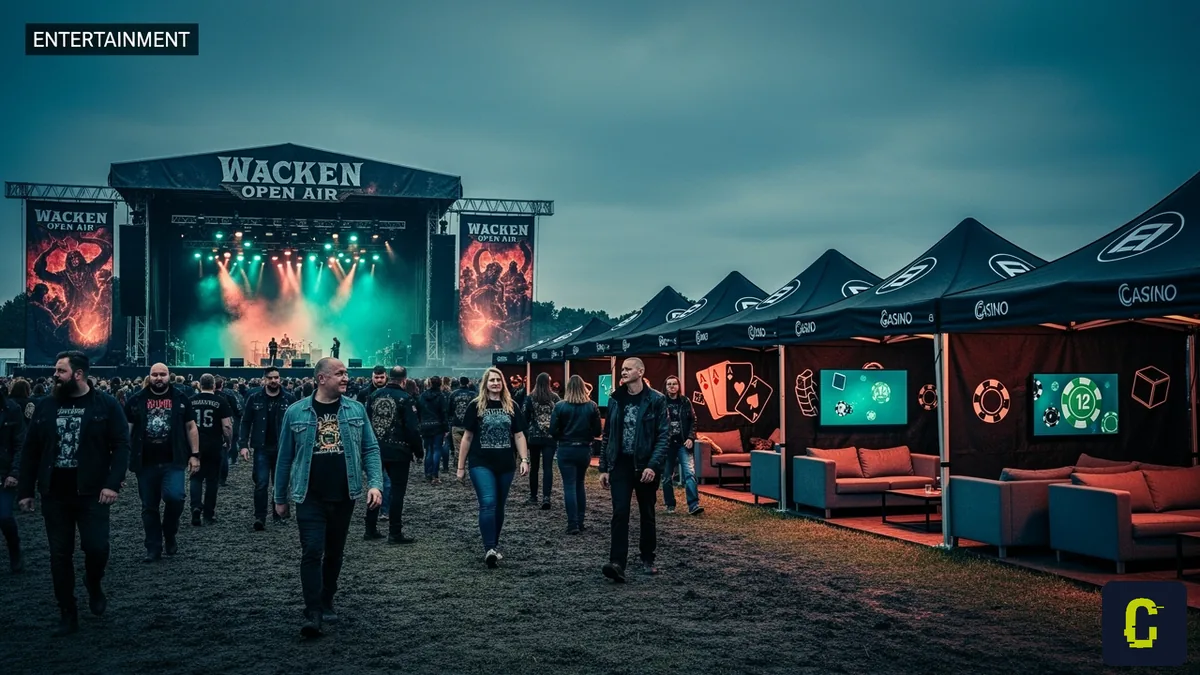
Wacken Open Air is one of Europe’s most recognisable music-festival brands. Its 2026 edition, held from 29 July to 1 August, marked the event’s 35th anniversary, and the official supporter page listed Casino SH among its partners.
That is a straightforward sponsorship fact. The more interesting entertainment story is what it asks of a festival, a casino brand and the people attending: how should gambling-related partnerships appear in spaces built around music, community and escapism?
Wacken has grown from a small local event into a large multi-day festival. Louder reported ahead of the 2026 event that the festival had more than 150 bands on its bill and was expecting more than 85,000 attendees after a sell-out. At that scale, sponsorship is part of the event experience. Partners can fund activations, amenities and visibility, but the way a partner is presented matters just as much as the logo on a supporter page.
Entertainment first, gambling never implied as a lifestyle upgrade
Casino brands are a familiar part of tourism and entertainment economies. That does not remove the need for care when the audience is gathered for something else. A festival should not make gambling look like the natural next step after the music, social atmosphere or a difficult day in the crowd.
The responsible standard is simple in principle: any casino-related activation needs to be clearly adult-only where relevant, distinguish promotional entertainment from real-money gambling, avoid language that suggests a win is expected, and make it easy for people to walk away. It should also sit alongside visible information about responsible gambling rather than treating those messages as small-print decoration.
That standard is good brand practice as well as a safeguard. Festival audiences are diverse: some will have no interest in gambling, some may be vulnerable to it, and some may simply want an event environment that does not turn every leisure moment into a transaction.
The sponsorship test
For organisers, a useful test is whether an activation still makes sense when gambling is removed from the pitch. Does it add a genuine entertainment or hospitality benefit? Are the boundaries easy to understand? Are staff briefed on age and safer-gambling expectations? Is the execution designed so people do not feel nudged to take part?
For casino partners, the same test protects long-term reputation. A well-known festival can deliver attention quickly, but attention is not the same as trust. The strongest partnerships are comfortable being judged on audience care, not just reach or social impressions.
This is not an argument that casinos cannot sponsor entertainment. It is an argument that gambling-related marketing should meet a higher standard in shared public spaces. A music festival is remembered for its line-up, its atmosphere and how safe it feels. Any commercial partner should reinforce that experience—not compete with it.
For anyone attending a casino-branded event, the practical advice remains unchanged: do not treat gambling as a way to fund a trip, set a personal spending limit before you go, and step away if it stops feeling like entertainment.